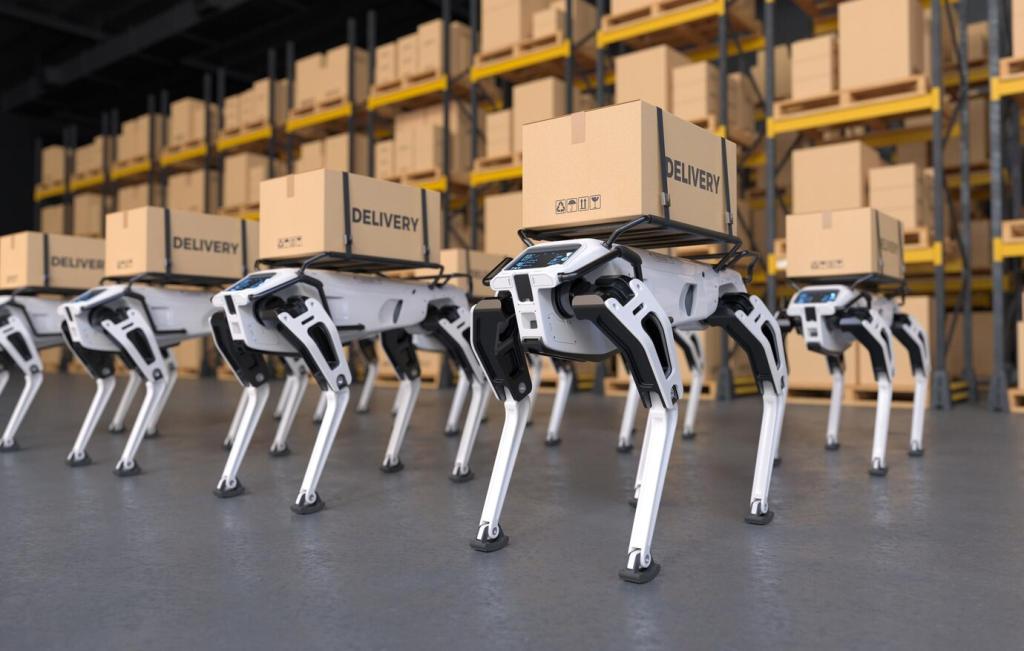



Integrating AI in Warehouse Management Systems: From Chaos to Choreography

Chosen theme: Integrating AI in Warehouse Management Systems. Step into a future where every pallet, picker, and path move in harmony. This friendly guide blends hard-won operations wisdom, practical AI patterns, and inspiring stories to help you modernize your warehouse without losing the human heartbeat that makes it work.

Why AI Belongs in Your WMS Today

Labor shortages, surging e-commerce promises, and razor-thin margins create daily firefighting. AI shifts you from reacting to predicting, compressing decision time and eliminating avoidable waste. Tell us your biggest bottleneck in receiving, picking, or packing, and we will tailor future deep dives to it.

Why AI Belongs in Your WMS Today

Inside a warehouse, AI forecasts demand, optimizes slotting, schedules labor, orchestrates waves, and flags exceptions before they explode. It mines event streams to find patterns humans cannot see, then nudges supervisors with timely, explainable recommendations that fit your constraints and service commitments.

Data Foundations: Preparing Your Warehouse for Intelligent Decisions

Start with reliable item masters, dimensions, and handling attributes. Tie historical orders to seasonality and promotions. Add context like carrier cutoffs and yard constraints. When data reflects how work truly happens, AI recommendations finally match the messy reality on your warehouse floor.

Data Foundations: Preparing Your Warehouse for Intelligent Decisions

Unify scanner pings, RFID reads, AMR telemetry, and vision detections as continuous event streams. Establish latency budgets so decisions arrive in time to matter. When receiving stalls or a pick zone overheats, AI can reroute tasks proactively instead of filling incident logs after the fact.

AI Capabilities That Transform Operations

Move beyond static plans. AI blends historical orders, seasonality, price breaks, and marketing signals to forecast at SKU and channel levels. The result is labor schedules that match reality, safety stock that breathes intelligently, and fewer last-minute overtime scrambles when the unexpected inevitably arrives.

People at the Center: Change Management That Works

A forklift driver’s story

On peak week, Malik had three urgent replenishments and one broken pallet blocking an aisle. The AI assistant proposed a detour plan, with time savings and safety notes. After trying it, Malik said the shift felt lighter. Share your team’s stories, and we will feature them in future posts.

Training, trust, and metric transparency

Offer quick, hands-on practice and explain why recommendations appear. Show the predictions, constraints, and confidence. When an AI suggestion fails, review openly and fix. Trust grows when teams see how feedback loops change future suggestions and when productivity targets include fair safety buffers.

Co-design rituals on the floor

Hold fifteen-minute weekly standups where associates flag pain points and vote on which to tackle next. Pilot small changes, then retire what does not work. Celebrate wins publicly. Subscribe to get our checklist for running low-friction workshops that turn skepticism into energized, continuous improvement.

Architecture and Integration Patterns

Keep your WMS as the system of record. Add a sidecar service that consumes events via message bus, computes recommendations, and returns them through APIs or webhooks. This pattern limits blast radius, accelerates pilots, and makes rollback painless when operations need breathing room.

Architecture and Integration Patterns

Build a simulated copy of your layout, constraints, and demand patterns. Run what-if scenarios for slotting, pathing, or staffing before touching the floor. Share results with supervisors for sanity checks. When the twin agrees with lived experience, confidence in the next rollout skyrockets.

Architecture and Integration Patterns

Enforce role-based access, encrypt data in transit and at rest, and audit every recommendation accepted or rejected. Validate vendor hardening, patch cycles, and incident response. Strong security wins executive support and protects the trust your people place in new tools and workflows.

Measuring ROI Without Guesswork

Track dock-to-stock, pick rate, order cycle time, inventory accuracy, and touches per order. Use per-zone views to isolate gains, and safety leading indicators to ensure speed never trumps care. Invite your finance partner early to co-own metrics and lock in shared definitions from day one.

Measuring ROI Without Guesswork

Run control versus treatment by aisle, shift, or wave. Keep changes minimal outside the AI capability under test. Publish results widely, including where gains were modest. Comment with a KPI you want benchmarked, and we will include a field-tested measurement approach in the next article.

Measuring ROI Without Guesswork

Frame value as quick wins, compounded learnings, and scalable rollouts. Use before-and-after photos, worker testimonials, and cost curves that flatten chaos. Executives love clarity; associates love fairness. Tie both together, and your AI roadmap becomes a shared story rather than a corporate mandate.

Your First 90-Day Roadmap

Map data sources, baseline KPIs, and choose a single use case such as slotting or labor forecasting. Clean one noisy dataset, automate one report, and align on acceptance criteria. Reply with your chosen use case, and we will send a tailored checklist of first steps to tackle next.

Your First 90-Day Roadmap

Activate the sidecar, instrument events, and run a small-zone pilot for one shift. Document exceptions and capture associate feedback daily. Keep rollback simple. By week eight, aim for a measurable improvement and a one-page summary that a floor lead and CFO both understand quickly.
Hbhghb
Privacy Overview

This website uses cookies so that we can provide you with the best user experience possible. Cookie information is stored in your browser and performs functions such as recognising you when you return to our website and helping our team to understand which sections of the website you find most interesting and useful.